What Equipment Is Legally Required on a Trailer
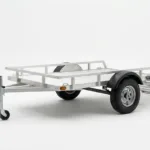
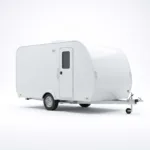
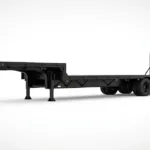
Every trailer on a public road needs working tail lights, brake lights, turn signals, side marker lights and reflectors, a properly rated coupler and hitch, safety chains, and license plate lighting. Above a weight threshold, commonly 1,500 to 3,000 pounds depending on the state, it also needs brakes and a breakaway system. Requirements are set state by state, so the states you drive through matter, not just the one you registered in.

Lighting, on every trailer
Tail lights, brake lights and turn signals that mirror the tow vehicle. Red rear reflectors and amber side markers. A white light on the license plate. Wider or longer trailers need additional clearance and identification lights, typically three amber lights across the top front on units over 80 inches wide.
Coupling
A coupler rated at or above the trailer's GVWR, matched to the correct ball size. Safety chains crossed underneath the coupler, so they cradle it rather than letting it hit the road if it drops. Chains rated for the load, not whatever came in the box.
Brakes and breakaway
Above the state threshold, brakes on at least one axle and often on all. With brakes comes a breakaway system: a battery on the trailer and a cable to the tow vehicle that applies the brakes if the trailer separates.
Tires and load
Trailer-rated tires, marked ST, in date and at the sidewall pressure. Passenger car tires are not built for the sidewall loading a trailer applies. Loads must be secured, and any load overhanging the rear normally needs a red flag by day and a red light at night.
Where to check
Your state DMV or DOT publishes the specifics, and the thresholds genuinely differ. If you tow across state lines regularly, work to the strictest requirement on your route rather than to your home state.
Related questions
For normal towing, generally no. Some states require additional endorsements above a combined weight, often around 26,000 lb. Check if you are towing heavy.
Yes, in every state we are aware of, and crossed under the coupler. It is one of the most commonly cited defects at a roadside check.